What Is the Catalyst Project, and Why Does Allen Need One?
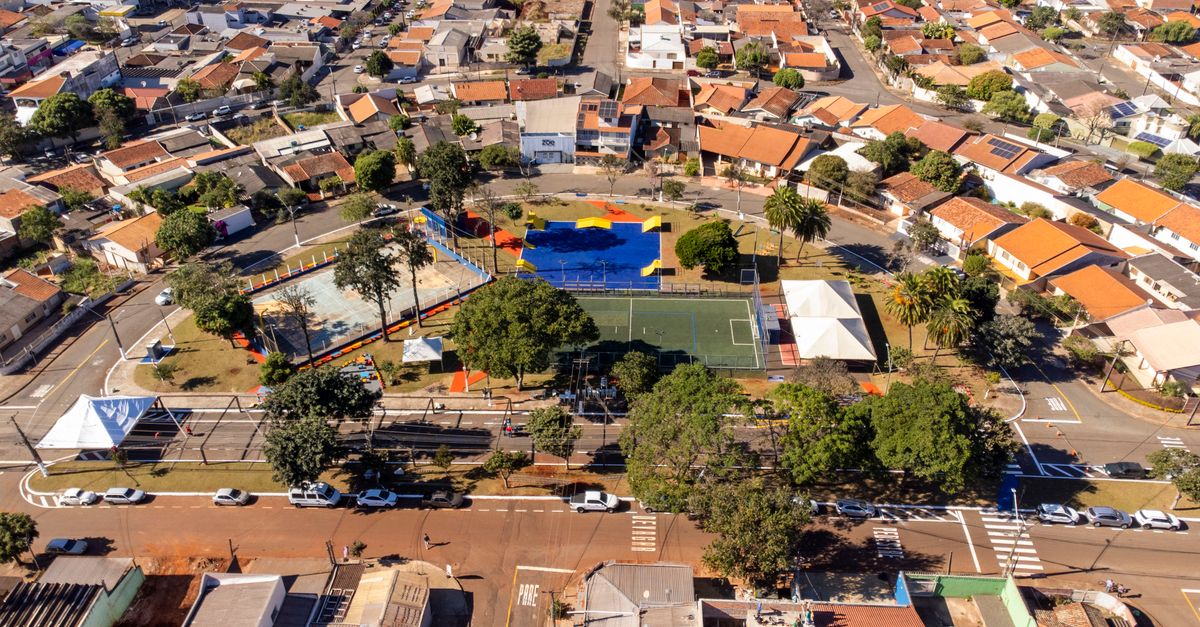
For years, the phrase “downtown Allen” has carried a certain aspirational weight — a civic shorthand for something the city has been working toward rather than something residents could walk through on a Saturday afternoon. That is beginning to change in a tangible way. At the northwest corner of Allen Drive and McDermott Drive, a Phase 1 catalyst project is now underway, with a groundbreaking slated for this fall.
The Allen Economic Development Corporation has been the driving force behind the effort, and the numbers attached to it reflect genuine civic ambition. When completed, the site will feature 18,000 square feet of restaurant and retail space, a public pocket park, a stage, and temporary parking. The project carries a price tag in the range of $17 million — a figure that signals this is not a minor streetscape refresh but a deliberate attempt to establish a functional urban core in a city that has long been defined by its suburban geography.
Why Does the Corner of Allen Drive and McDermott Drive Matter?
Location in a development project is rarely accidental, and the choice of the Allen Drive and McDermott Drive intersection deserves some examination. These two corridors function as organizing axes for the older, central portion of Allen — the part of the city that predates the explosive residential growth that filled in the northern and eastern sections over the past two decades. Placing the catalyst project here is an explicit statement about where city leadership wants future private investment to concentrate.
The term “catalyst” is used deliberately in planning circles. A catalyst project is not intended to be the whole destination — it is intended to demonstrate viability, attract adjacent private development, and shift the market’s perception of a location. By anchoring the corner with restaurants, retail, and a publicly accessible park and stage, the project creates the kind of foot traffic and visibility that tends to draw the next round of developers without requiring the city to subsidize every subsequent building.
Allen is a city of roughly 110,000 residents with a well-documented track record of attracting commercial investment — the recently announced “Easy as Allen” tourism brand accompanied a report of a record $209 million in tourism activity — but much of that investment has clustered around Highway 75 corridors and large-format retail and entertainment venues. The downtown revitalization effort represents a conscious effort to build a different kind of place.
What Will Residents Actually Find There?
The programmatic details confirmed in city documents give a reasonably clear picture of what Phase 1 is meant to feel like on the ground. The 18,000 square feet of restaurant and retail space is a meaningful number — large enough to support several distinct tenants rather than a single anchor, which typically produces more street-level activity and a more varied experience for visitors. A single large restaurant can draw a crowd; multiple smaller operators create a neighborhood.
The public pocket park is perhaps the most significant element from a placemaking standpoint. Pocket parks — small, activated green spaces embedded in commercial blocks — serve a function that parking lots and building facades cannot. They create a reason to linger, a place to meet someone, and a visual anchor that communicates civic investment in the public realm. The inclusion of a stage alongside the park suggests the city envisions the space hosting programming: outdoor concerts, markets, community gatherings. That kind of flexible infrastructure is what turns a development from a collection of storefronts into something residents identify as theirs.
Temporary parking is also listed among the planned elements, a practical acknowledgment that any new downtown district faces a chicken-and-egg problem with mobility. Permanent structured parking is expensive and requires demonstrated demand to justify; temporary surface solutions allow the district to function while that demand is being established.
How Does This Fit Into Allen’s Broader Investment Pattern?
The downtown catalyst project does not exist in isolation. The summer of 2026 has seen Allen execute on several parallel investments in public infrastructure and quality of life. The city’s parks system is in the middle of an $8 million-plus improvement program that includes new playground equipment at Quail Run Park and a turf replacement at Spirit Park’s softball fields. The Watters Trail South extension — approved by city council and set to complete this summer — expands the trail network that already runs through much of the city. A trail master plan update is also underway to guide future expansion citywide.
These investments share a common logic: they are building the kind of physical environment that supports a dense, walkable, community-oriented urban core, even as the broader city continues to grow outward. A downtown district works best when it is surrounded by residents who can walk or bike to it, and when the surrounding parks and trails make the surrounding neighborhoods desirable places to spend time.
The EagleNXT drone manufacturing headquarters, which opened in Allen on May 27, 2026, adds another dimension to that picture. The company — publicly traded on the NYSE under the ticker UAVS — chose Allen as the site for its global headquarters, North American assembly operations, and research and development work. The presence of technology-oriented employers tends to support demand for the kind of restaurants, retail, and public amenities that a revitalized downtown would provide.
What Comes After Phase 1?
The framing of this effort as “Phase 1” is itself significant. It implies a longer arc, a sequence of investments and projects that build on one another over time. Phase 1 catalyst projects in similar cities have historically taken anywhere from two to five years to generate the private follow-on investment that justifies the next phase of public commitment. Allen’s advantage in that timeline is a strong existing economic base, a CVB reporting record tourism figures, and a city council that has demonstrated willingness to approve sustained capital commitments.
The groundbreaking this fall will mark the transition from planning to construction. For residents who have watched the corner of Allen Drive and McDermott Drive sit underutilized for years, that moment will carry some weight — not because a single project resolves every question about what Allen’s downtown becomes, but because it represents the point at which the answer starts to take physical form.